What a Professional Roof Inspection Covers and Why It Matters
A professional roof inspection reviews the condition of your roof to identify issues and ensure its safety, with local contractors ready to provide expert assessments and solutions.
A professional roof inspection is a thorough assessment that helps property owners understand the current condition of their roof and identify potential issues before they become costly problems. These inspections typically cover key areas such as shingles, flashing, gutters, and ventilation systems, ensuring that every critical component is evaluated for signs of wear, damage, or deterioration. For homeowners and property managers in the area, understanding what a professional roof inspection covers and why it matters can provide peace of mind, especially when planning maintenance, repairs, or upgrades. Local contractors who specialize in roof inspections can offer expert insights that help protect the property’s value and ensure the roof remains durable and reliable over time.
Why a professional roof inspection matters goes beyond simply checking for visible damage. It’s a proactive step that can uncover hidden issues like leaks, structural weaknesses, or compromised materials that aren’t immediately apparent. Regular inspections can extend the lifespan of the roof, prevent unexpected breakdowns, and support informed decisions about repairs or replacements. Property owners who explore this topic often do so to safeguard their investment and maintain the safety of their building’s occupants. Local service providers experienced in roof inspections are equipped to deliver detailed evaluations that address these concerns, helping property owners stay ahead of potential problems and keep their roofs in optimal condition.
- Roof inspection services are essential when homeowners notice potential damage or leaks and want a thorough assessment by local contractors.
- When preparing for a roof replacement, service providers evaluate the existing roof’s condition to determine necessary repairs or upgrades.
- After severe weather events, local pros inspect roofs to identify storm damage that may not be immediately visible from the ground.
- For routine maintenance, roof inspections help identify early signs of wear and tear, allowing for timely repairs by local contractors.
- Homeowners considering a new roof installation often consult local experts to assess the current roof’s condition and plan for future needs.
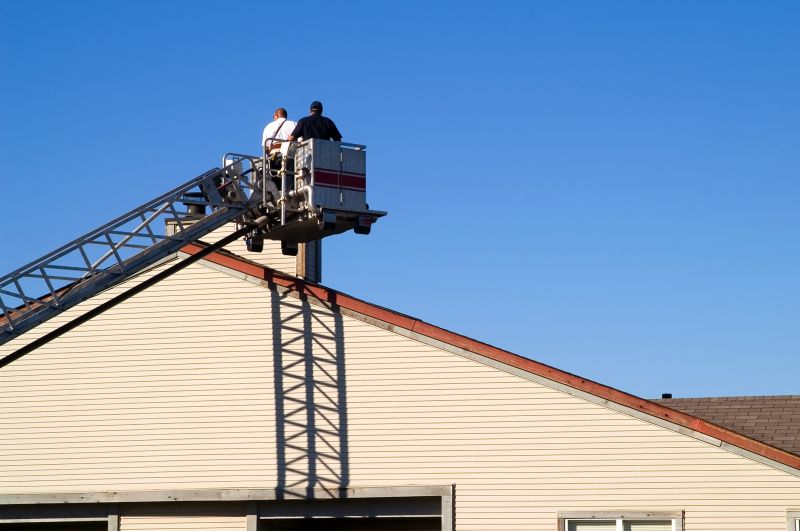

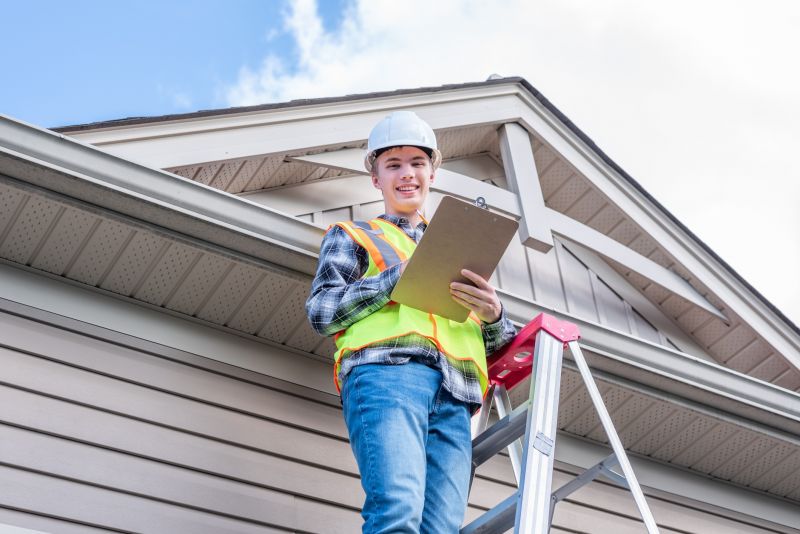
A professional roof inspection covers a comprehensive assessment of a property's roofing system to identify current issues, potential problems, and areas that may require maintenance or repairs. When homeowners search for this topic, they often want to understand what exactly is checked during an inspection and why it’s a vital step in maintaining the roof’s integrity. Typically, a thorough inspection examines the condition of shingles or other roofing materials, looks for signs of damage such as cracks, curling, or missing pieces, and evaluates the overall structure for signs of wear or deterioration. The process also includes checking flashing, vents, gutters, and other components that are essential to the roof’s performance. This detailed evaluation helps homeowners understand the health of their roof and plan for necessary repairs or replacements before issues escalate.
The importance of a professional roof inspection extends beyond immediate repairs. It relates to a variety of concerns homeowners might have, such as preparing for a storm season, assessing damage after severe weather, or planning a roof replacement in the future. Detecting problems early-like leaks, mold, or weakened structural support-can prevent costly repairs and protect the interior of the property. Additionally, inspections are often part of routine maintenance plans to extend the lifespan of the roof. For homeowners with existing damage or those considering a new roof installation, understanding what a professional roof inspection covers and why it matters can help inform their decisions and prioritize necessary work.
This service is relevant for a range of property types, including single-family homes, multi-family residences, and commercial buildings. Residential properties are the most common, with inspections focusing on the specific materials used, such as asphalt shingles, tile, or metal roofing. Commercial properties may require more specialized inspections that consider flat roofs, membrane systems, or other commercial-grade materials. Regardless of the property type, local service providers can evaluate the unique features and vulnerabilities of each roof, providing tailored insights into its condition. Homeowners and property managers can benefit from these inspections as part of ongoing maintenance or as a proactive step before undertaking major projects like renovations or insurance claims.
Understanding what a professional roof inspection covers and why it matters helps property owners make informed decisions about their roofs. These inspections are not just about spotting visible damage but also about identifying underlying issues that could compromise the roof’s performance over time. Local contractors who specialize in roof inspections bring expertise in assessing different roofing systems and recognizing potential problems early. By working with experienced service providers, homeowners can ensure their roofs are thoroughly evaluated and properly maintained, ultimately protecting their investment and enhancing the safety and comfort of their property.
Roof repair projects - require detailed assessments of roof conditions similar to professional inspections to identify issues before repairs are needed.
Gutter installation and maintenance - involve evaluating roof drainage systems, which is a key component of comprehensive roof inspections.
Attic insulation upgrades - benefit from inspections that assess roof integrity to ensure proper insulation and prevent damage.
Chimney and flashing repairs - demand careful examination of roof junctions and flashing, akin to what a professional roof inspection covers.
Storm damage assessments - rely on thorough inspections to identify hidden damage that may not be immediately visible after severe weather.
Siding and exterior wall repairs - often require inspection skills similar to roof assessments to evaluate overall building envelope health.
When evaluating roofing service providers for a professional roof inspection, it is important to consider their experience with similar projects. A contractor who has a history of performing comprehensive inspections on homes with comparable roof types, ages, or conditions is more likely to understand the specific issues that can arise and how to identify them effectively. This experience can help ensure that the inspection thoroughly covers potential problem areas, such as damaged shingles, flashing issues, or underlying structural concerns, providing a clearer picture of the roof’s overall condition.
Clear, written expectations are essential when comparing local contractors for roof inspection services. A reputable service provider should be able to outline what the inspection will include, explaining the scope of the assessment and any limitations. This transparency helps homeowners understand exactly what will be checked and what might be outside the scope of the inspection. Having these expectations documented also allows for easier comparison between providers, ensuring that each offers a comprehensive evaluation aligned with the homeowner’s concerns and needs.
Reputable references and good communication are key factors in selecting a reliable roofing service provider. Contractors with positive references from previous clients or local references often demonstrate a track record of quality work and professionalism. Additionally, clear and responsive communication throughout the process indicates a contractor’s willingness to answer questions, clarify findings, and explain the importance of what the inspection covers and why it matters. These qualities help homeowners feel confident that the inspection will be thorough and that any issues identified will be communicated effectively, supporting informed decision-making regarding the roof’s maintenance or repair needs.
Property owners often search for what a professional roof inspection covers and why it matters when they are planning practical projects around their homes and businesses. Local pros provide Roof Inspection services for everyday jobs and straightforward project options.
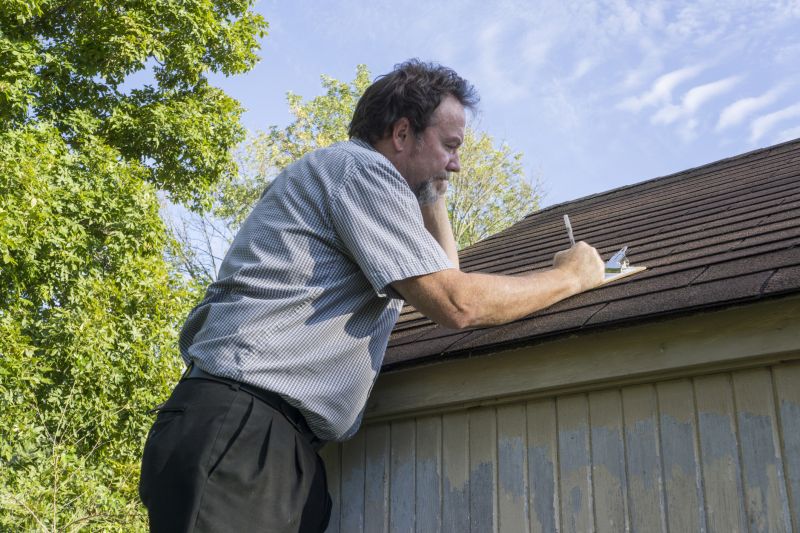
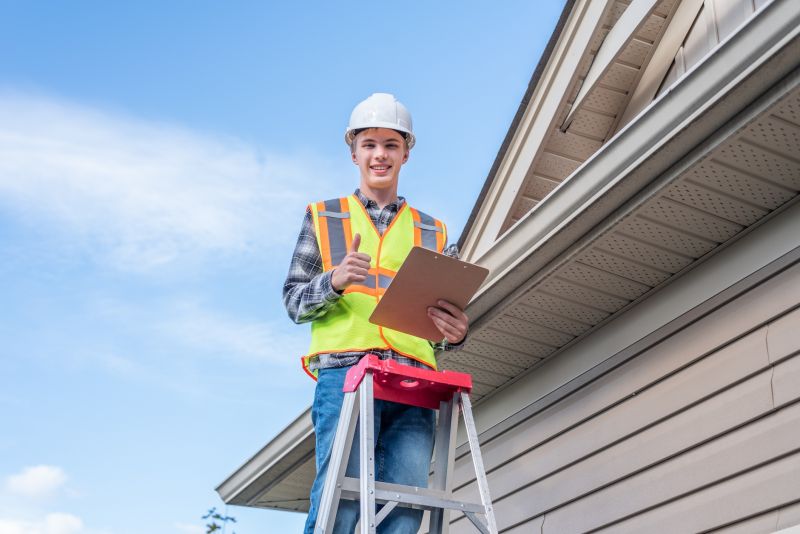
A professional roof inspection typically covers a thorough assessment of the roof’s overall condition, including checking for damaged or missing shingles, signs of water intrusion, and any deterioration of flashing or gutters. Inspectors look for potential issues that could lead to leaks or structural problems, helping property owners understand the current state of their roof. This type of inspection is especially useful after severe weather events or when planning regular maintenance, as it provides a clear picture of what might need repair or replacement.
Understanding what a professional roof inspection covers and why it matters can help property owners stay proactive about their roof’s health. Regular inspections by experienced service providers can identify early signs of damage before they develop into costly repairs, potentially extending the lifespan of the roof. For those in the local area, connecting with trusted contractors ensures that inspections are comprehensive and tailored to the specific needs of their property, providing peace of mind and protecting one of the most important parts of their home.
What does a professional roof inspection typically cover? A professional roof inspection assesses the overall condition of the roof, including shingles, flashing, gutters, and ventilation systems, to identify any existing or potential issues that may need attention.
Why is it important to understand what a roof inspection covers? Knowing what a roof inspection covers helps homeowners and property owners understand the scope of the evaluation and ensures that all critical areas are thoroughly checked by experienced service providers.
How do local contractors evaluate the condition of a roof? Local contractors perform visual inspections, check for signs of damage or wear, and may use tools or equipment to assess the structural integrity and identify areas prone to leaks or deterioration.
What are the benefits of a professional roof inspection? A professional inspection can detect issues early, prevent costly repairs, and extend the lifespan of the roof by addressing problems before they worsen.
Why does knowing what a roof inspection covers matter for property owners? Understanding the scope of a roof inspection ensures property owners are aware of potential issues and can make informed decisions about maintenance or repairs with trusted service providers.
Understanding roof structure and materials - property owners can evaluate the types of roofing materials and their condition to plan repairs or replacements with the help of local contractors.
Identifying signs of damage or wear - recognizing early issues like leaks or missing shingles allows for timely repairs, preventing costly future problems.
Assessing ventilation and insulation - ensuring proper attic ventilation and insulation can improve energy efficiency and protect the roof's longevity.
Detecting potential safety hazards - spotting issues such as loose or unstable roofing components helps property owners prioritize safety during maintenance or renovation projects.
If you are thinking about what a professional roof inspection covers and why it matters for a property, this guide is meant to help you understand this topic, the typical project types, and how different options might fit your plans.
When you are ready, you can use the quote form on this page to share a few details about your project. From there, local pros can review the basics and follow up with options that match what you have in mind.